You do not need to know how to code to start a software business. That is the reality of 2026. No-code tools, AI agents, and automation platforms have changed the game. Anyone with a clear problem and a willingness to learn can build and launch a SaaS product.
This guide covers SaaS startup ideas without coding. We look at validated niches where money is already changing hands. Scheduling with deposits. Niche invoicing. Subscription rescue. Vertical workflow automation. We also cover the tools you can use. Bubble, Make, Glide, and Softr. And a 5-step launch formula to validate, build, and launch fast. No technical skills required. Just a clear problem and the drive to solve it.
The New Reality: No Code Needed
The barrier to entry has dropped. A single motivated person with the right AI tool can now build functional web applications, automation systems, and client dashboards in a fraction of the time it used to take an entire team .
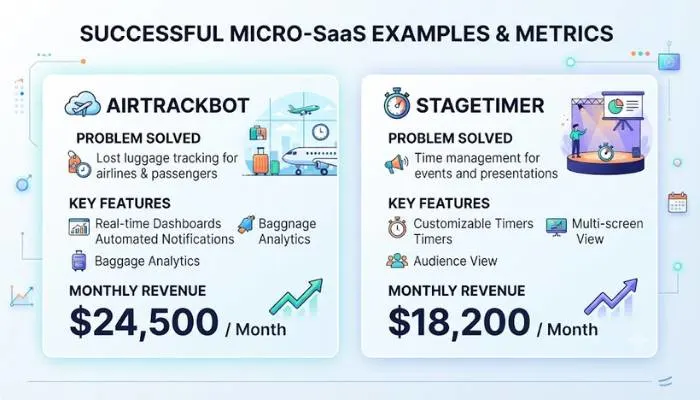
This is what micro-SaaS means. Small software that solves one specific problem for one specific audience . Examples include tools like AirTrackBot (airplane emissions tracking, $7K/month) and StageTimer (conference timer, $8.3K/month) . The key is niching down. Big companies ignore small markets. That is where solo founders win.
Read More: How Startup Valuation Is Calculated: A Founder’s Guide
Best SaaS Startup Ideas Without Coding
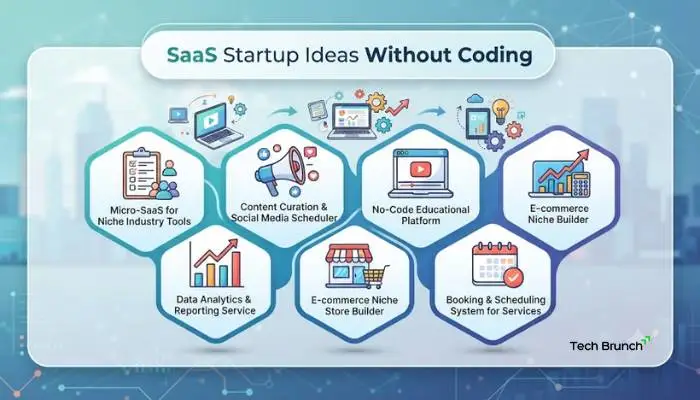
These ideas are grounded in niches where money is already changing hands . If companies are already paying for solutions in a category, the market has answered the question.
1. Trade-Specific Scheduling with Deposits
Scheduling and booking is a huge category with over 2,000 companies on Stripe. But the gap is narrow trade-specific scheduling: deposits, no-show fees, and the quirks of one trade .
Ideas: Mobile detailing booking, tattoo studio scheduling, equipment rental calendars.
2. Niche Invoicing and Billing
Generic invoicing is a red ocean. Trade-specific billing that understands a particular workflow is far less contested .
Ideas: Progress billing for contractors, retainer billing for agencies, usage billing for a specific API category.
3. Subscription Rescue (Dunning)
Every subscription business loses revenue to failed payments and involuntary churn. A focused tool that recovers failed charges and handles smart retries solves a problem the niche already pays to solve .
4. Vertical Workflow Automation
Workflow automation has over 420 companies but a growing AI-first slice. The opportunity is automation tuned to one vertical's busywork .
Ideas: Automation for freelance accountants, real estate agents, or roofing contractors.
5. Lead Generation for One Industry
A narrow tool that finds, enriches, or qualifies leads for one specific industry, rather than trying to be a horizontal CRM .
Ideas: Lead finder for wedding photographers, agency prospecting tool, contractor lead qualifier.
6. Course, Coaching, and Community Ops
Education, courses, and membership communities together form one of the most micro-SaaS-friendly corners of Stripe . The gap is operational tooling for solo educators: student payments, drip access, and community management built for one teaching format.
Ideas for Students
Students have a unique advantage. They know their peers' problems and can build solutions that speak directly to that audience.
The "Save Sunday" Framework
Medical students spend hours manually copy-pasting definitions into flashcard apps. They call it "the tax you pay to pass." A tool that turns lecture PDFs into perfectly formatted Anki flashcards solves a real pain point .
Student Networking and Outreach
A SaaS app that uploads your LinkedIn profile, finds other undergraduates with similar interests, and automates outreach .
Course Platform with Payment Protection
A decentralized course platform where users pay first, and if they get what is promised (measured via API), the course creator gets paid .
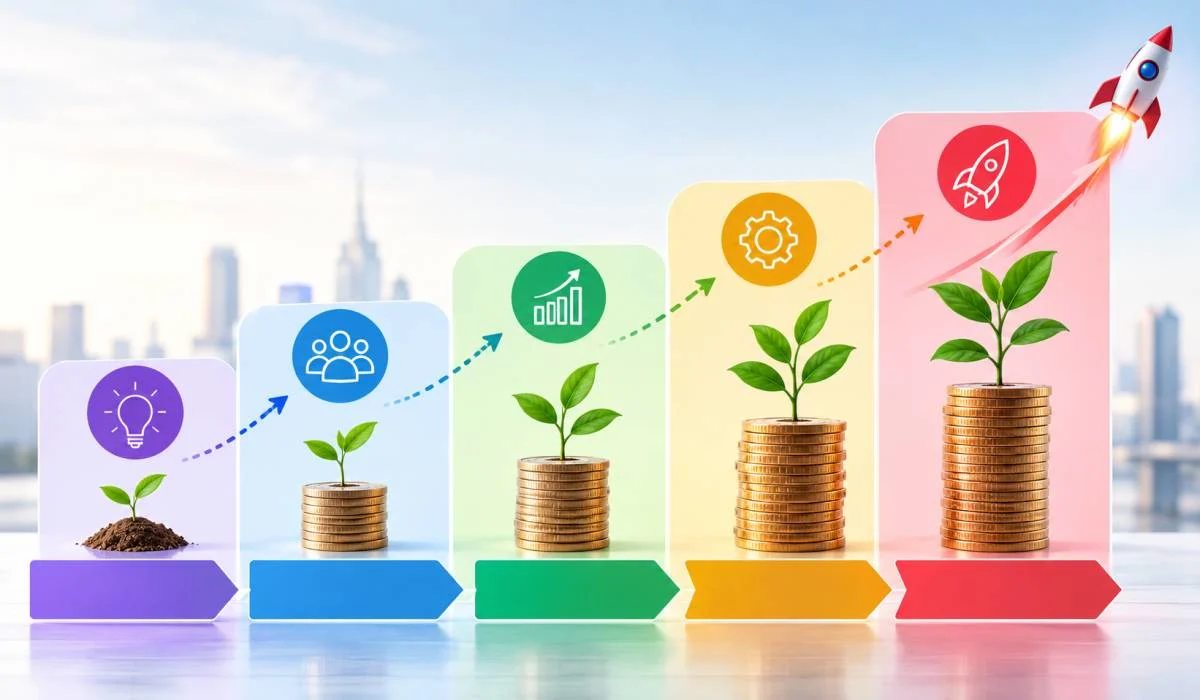
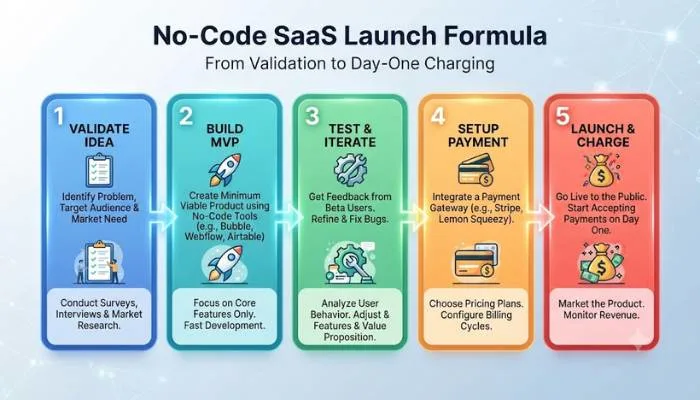
The 5-Step No-Code Launch Formula
This framework comes from Dan Hafner, founder of Dapper No Code, who has built multiple no-code SaaS businesses .
Step 1: Validate Before You Build
The fastest way to fail is to spend six months building something nobody asked for . Validation is not asking friends "would you use this?" Friends lie to be polite.
Real validation means getting one of three things :
- Someone gives you their email for a product that does not exist yet
- Someone agrees to pay before it is built
- Someone describes your exact problem back to you, in their own words, unprompted
The 48-hour validation process :
- Build a "fake door" landing page (use Carrd or similar free tool)
- Describe the problem and solution clearly
- Include a "Join the Waitlist" button with email capture
- Show a rough price (this tells you if people see real value)
- Get 50+ people to see it via Reddit, Twitter, or direct outreach
- Talk to everyone who signs up
- If you get 20+ sign-ups and one person says "I'd pay right now," build it
Step 2: Identify the "Excel" Problem
Look for industries still running on complex spreadsheets. If a business is using a manual workaround in Excel to manage a core process, that is a high-value SaaS opportunity .
Step 3: Start as a Service, Not a Product
The biggest 2026 independent developer advantage: start by manually helping 10 clients run their process. Charge for your time. Record every step. Then replace the repetitive parts with AI .
Step 4: Build with No-Code Tools
Use platforms like Bubble, Make, Glide, Softr, and Webflow . Connect them with AI tools like ChatGPT, Claude, and Zapier.
Example workflow :
- Use Make to automate data collection
- Use Claude AI to generate interface code
- Use WordPress with Code Snippets plugin to deploy
Step 5: Launch and Charge from Day One
Get profitable in 3 months. Do not wait for perfect. Launch to 20 beta users and charge from the start .
You May Also Read: Best SaaS Startup Ideas for Beginners to Launch in 2026
No-Code Tools You Can Use
| Tool | What It Does | Cost |
|---|---|---|
| Bubble | Build web apps visually | Free to start |
| Make | Automate workflows | Free tier available |
| Glide | Build apps from spreadsheets | Free tier available |
| Softr | Build web apps from Airtable | Free tier available |
| Webflow | Build websites visually | Free to start |
| Stripe | Accept payments | Free to start |
| Carrd | Build simple landing pages | Free tier available |
The Bottom Line
SaaS is not dead. It has evolved. The successful 2026 independent founders are not building general tools. They are niching down to scale up . They start as services, not products. They validate before building. They use no-code tools and AI to launch fast.
You do not need to be a developer. You need a clear problem, a specific audience, and the willingness to start before you feel ready. The tools are there. The market is waiting.
FAQs
1. Can I really build a SaaS without coding?
Yes. No-code platforms like Bubble, Glide, and Softr let you build functional web applications without writing code . AI tools like ChatGPT and Claude can help you generate code snippets when needed .
2. How much money do I need to start?
Very little. Most no-code tools have free tiers. A domain name costs about $10-15 per year. Hosting is often included in the platform. Your time is the biggest investment.
3. How do I validate a SaaS idea before building?
Build a "fake door" landing page with a waitlist. If you cannot get 100 people to sign up via cold outreach or $200 in targeted ads, you do not have a product problem, you have a market problem . Talk to potential users. Ask about their pain points. Listen more than you talk.
4. What is a micro-SaaS?
Small software solving one specific problem for one specific audience . Examples: a timer for conference speakers, a tool that tracks airplane emissions, a scheduling tool for a single trade.
5. What are the best SaaS ideas for beginners?
Look for niches where money is already changing hands. Trade-specific scheduling, niche invoicing, subscription rescue (dunning), and vertical workflow automation are all validated categories .