The latest green technology innovations are popping up everywhere. Wood waste becomes batteries. Coffee grounds become leather. CO2 becomes cleaning spray. Farm waste becomes diesel. These are not lab dreams. They are real products. Real plants. Real jobs. Solar cells now capture carbon too. Tiny chips speed up clean fuel research.
India opened its first carbon capture lab. The UK made green ammonia. Every month brings something new. This is not a small shift. It is a big one. And the latest green technology innovations are moving fast. Faster than most people think.
What is Green Technology Innovation?
Green technology innovation is simply a new way to do things that helps the planet. That is it. A new product. A new process. A new material. Something that was not there before. It cuts pollution. It saves energy.
It reduces waste. Or it fixes damage we already caused. Solar panels were an innovation once. So were LED bulbs. Now they are normal. That is how it works. A new idea shows up. It gets better. It gets cheaper. Then everyone uses it. Green tech innovation is that first step. The spark. The new way that makes the old way obsolete.
Read More: How Green Technology Helps the Environment and Our Future
Green Technology Innovation Examples
Batteries from Wood Waste
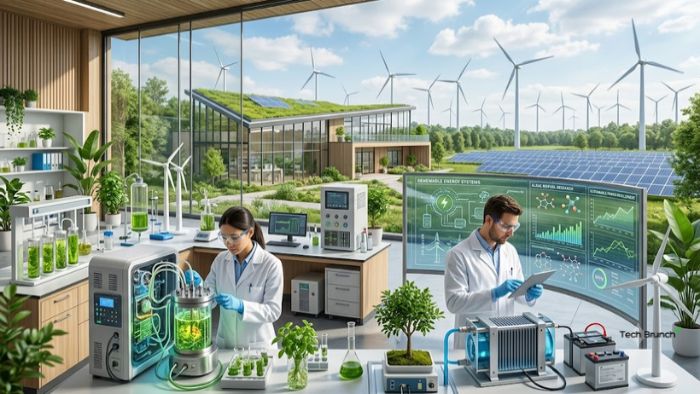
Researchers at the University of Limerick found a way to make battery parts from wood waste. The material is called lignosulfonate. It comes from paper mills. They turn it into carbon nanofibers for sodium-ion batteries. No toxic solvents just water. This could cut our reliance on rare metals like lithium. Sodium is everywhere. It is cheap. This is a big deal for electric cars and grid storage.
CO2 into Cleaning Products
A project called WaterProof is turning city waste into useful stuff. They capture CO2 from trash incinerators and wastewater plants. Then they convert it into formic acid using renewable electricity. That acid goes into cleaning products. Toilet cleaner. Surface spray. The same molecule works just as well. But it keeps carbon out of the sky. The team is testing it in leather tanning too. Fish leather from Iceland. Eco-friendly shoes could be next.
Lab-on-a-Chip for Clean Fuels
Scientists at the University of Surrey built tiny chips that show how CO2 turns into fuel. The chips recreate chemical reactions in a small space. Sensors track everything in real time. AI finds patterns in the data. This speeds up the search for better materials. We need this for sustainable aviation fuel. For ethanol. For plastics. The old way was trial and error. This is faster. Smarter. Cheaper.
Leather from Coffee Grounds
A PhD student in Thailand made leather from coffee waste and natural rubber. It won a silver medal at the Geneva Invention Fair. The material feels soft. Like real leather. It costs half the price. It breaks down naturally when buried. No plastic. No toxic tanning chemicals. Hotels are already asking for coasters made from their own coffee grounds. A full circle.
Solar-Powered Weed Harvester
ICRISAT built a solar-powered machine that clears water hyacinth from lakes and rivers. Water hyacinth is a huge problem. It blocks sunlight. It kills fish. It clogs waterways. The harvester runs on sunshine. It cuts labor costs by 50 to 60 percent. The collected weed becomes compost or biogas. Communities get clean water and new income. It is already in India's Top 100 Innovations list.
Latest Green Technology Innovations in India
Carbon Capture Lab at IIT Bombay
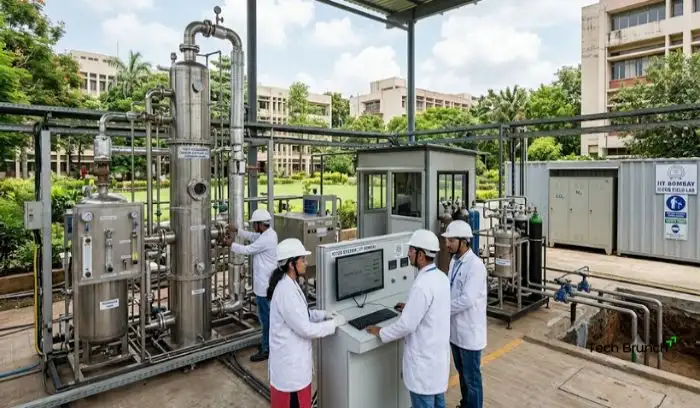
India opened its first Integrated CCUS Field Laboratory in May 2026. It sits at IIT Bombay. The facility captures CO2 from air and industry. It uses non-potable water. Then it turns the CO2 into carbonate and bicarbonate salts. The project also drills into the Deccan Traps. They want to store CO2 in basalt rock. Permanently. This is India's first pilot-scale test for this. A startup called UrjanovaC is scaling it up.
Biofuels from Farm Waste
A company called Greenjoules is building a commercial plant for second-generation biofuels. The fuel comes from agricultural waste. Crop residue. Agro-processing leftovers. The fuel is called Abhilasha Biofuels. It works as a direct drop-in for diesel. No engine changes needed. It has been tested on forty different feedstocks. This helps farmers. It cuts stubble burning. It reduces oil imports. The Technology Development Board is backing it.
CO2 to Graphene in Cement
The cement industry is one of the hardest to clean. It makes about 7 percent of global CO2. A startup called TraceXero is working with the National Council for Cement and Building Materials. They capture CO2 from cement plants. Then they turn it into graphitic carbon and graphene. This turns waste into a valuable material. It could help cement go green.
Biomanufacturing for Carbon Capture
The Department of Biotechnology launched a new cohort of projects under the BioE3 Policy. The goal is to use biology to capture carbon. Industrial CO2 becomes a feedstock. Microbes convert it into useful products. Chemicals. Fuels. Materials. This is a circular bioeconomy. Waste becomes value. NITI Aayog released a booklet on it. Industry partners like Jindal Steel and IOCL are involved.
Green Tech Innovations in 2026
On-Site Chemical Generators
A Houston company called Solidec won the $250,000 Wilkes Climate Innovation Prize. They build machines that make chemicals on site. Using air, water, and electricity. The first product is hydrogen peroxide. No trucks. No storage. No supply chain risk. It cuts carbon emissions and chemical waste. Formic acid and acetic acid are next. Businesses can make what they need. When they need it.
Green Ammonia from UK
The ASPIRE project in the UK hit a milestone. They produced their first batch of e-ammonia. It uses hydrogen from water electrolysis. Powered by low-emissions electricity. The ammonia goes to a UK supplier for use as a refrigerant. This proves green ammonia can work at pilot scale. It can store energy. It can support the grid. It can make fertilizer without fossil fuels.
Wine Emissions to Algae
A European project called REDWine captures CO2 from wine fermentation. They feed it to microalgae. The algae grow in winery wastewater. The biomass becomes proteins, lipids, and pigments. These go into food, cosmetics, and even wine preservatives. It cuts the carbon footprint of wine by 30 percent. Wineries get new income streams. Small producers can join through shared hubs.
CO2 to Plastics and Fuels
A project called ECOLEFINS is building ceramic reactors. They convert CO2 and water into light olefins. These are the building blocks for plastics. Ethylene. Propylene. Butylene. The process runs on renewable electricity. It reverses the emissions from plastic production. This is carbon-negative chemistry. It is still in development. But the potential is huge.
You May Also Read: Carbon Removal Technology Innovations: New Ways to Remove CO2
Green Innovation Ideas
Microgrids with Algae
A new study proposes a net-zero microgrid. It combines solar panels, hydrogen storage, and microalgae. The algae capture carbon. They produce biofuel. The fuel runs a generator when the sun is down. It is a closed loop. Energy. Carbon. Fuel. All working together. This could power a campus. A hospital. A small town.
Solar Cells That Capture Carbon
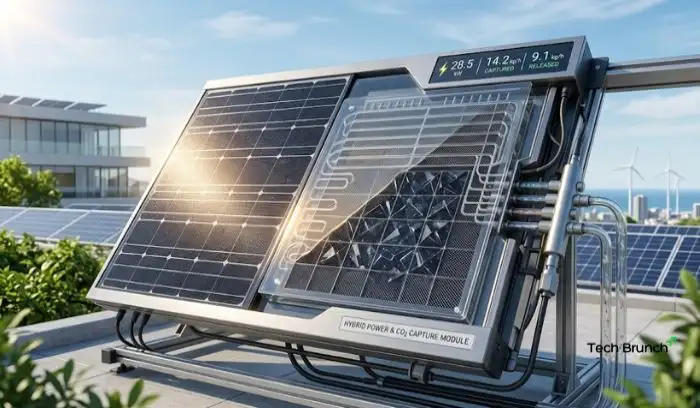
A project called SHAPE is building a solar cell that also captures CO2. It uses dye-sensitized solar technology. The same device makes power and converts CO2 into carbon monoxide. Two jobs. One device. No external power needed. Sunlight does it all. This is early research. But it points to a future where energy and carbon capture are the same thing.
Hybrid Solar and Chemistry
The same idea is spreading. Researchers want devices that do two things at once. Make electricity. Clean the air. The old way was separate systems. Separate costs. Separate space. The new way is integrated. Smaller, cheaper & better.
What This Means?
- Green tech is not waiting for the future. It is here. Wood waste becomes batteries. Coffee becomes leather. CO2 becomes cleaning spray. Farm waste becomes diesel. These are not lab dreams. They are pilot plants. Commercial products. Real jobs.
- India is moving fast. The CCUS lab at IIT Bombay. Biofuels from Greenjoules. Graphene from cement CO2. Biomanufacturing under BioE3. The country is building its own clean tech. Not waiting for imports. Not waiting for permission.
- The world is moving too. The UK made green ammonia. Europe turned wine gas into algae. America funded chemical generators. Africa powered tea factories with farm waste. Every region has its own solutions. Every solution fits its local needs.
- The path is clear. Use what we throw away. Make what we need. Waste less. Harm less. That is green innovation. And it is happening now.
Final Thoughts
The latest green technology innovations are not about one big fix. They are about many small fixes. Wood. Coffee. Wine. Waste. Sunlight. These are the raw materials. Science turns them into value. Business turns value into scale. Policy turns scale into normal.
We need all of it. Batteries that skip lithium. Fuels that skip oil. Chemicals that skip fossil feedstock. Each one cuts a little pollution. Together they cut a lot. The technology exists. The will exists. The money is moving. Now we scale.
Start paying attention. The next big thing might come from a paper mill. A coffee shop. A winery. A farm. Green tech is everywhere. And it is just getting started.
FAQs
1. What are the latest green technology innovations?
Wood waste into batteries. Coffee grounds into leather. CO2 into cleaning spray. Solar cells that capture carbon. Tiny chips that speed up fuel research. Green ammonia. Cement CO2 into graphene. Every month brings something new.
2. Give me some green technology innovation examples.
Wood waste makes sodium-ion batteries. Coffee grounds make leather. Farm waste makes diesel. Wine gas feeds algae. Algae becomes food. Cement CO2 becomes graphene. Chemical generators run on air and water. All real. Not dreams.
3. What is happening in India?
IIT Bombay opened a carbon capture lab. It stores CO2 in rock. Greenjoules makes diesel from farm waste. TraceXero turns cement CO2 into graphene. ICRISAT built a solar weed harvester. BioE3 funds biomanufacturing. India is moving.
4. What is coming in 2026?
Solidec makes chemicals on site. Air, water, electricity. That is it. The UK made green ammonia. Europe turns wine gas into algae. ECOLEFINS turns CO2 into plastics. Microgrids with algae are being tested. Solar cells that capture carbon are in labs.
5. What are some green innovation ideas?
Solar plus hydrogen plus algae in one microgrid. Solar cells that make power and capture CO2. Devices that do two jobs at once. Chemicals made where you need them. CO2 as raw material. Algae as protein and fuel. The ideas keep coming.
6. How do these help the planet?
Less pollution. Less mining. Less trash. Wood waste becomes batteries. Coffee becomes leather. CO2 becomes something useful. That keeps stuff out of landfills. It cuts carbon. It slows warming. Every bit helps.
7. Can I buy these now?
Some yes. LEDs. Solar panels. Electric cars. Others are in pilot plants. Greenjoules is building big. The IIT lab is running. Solidec won a prize. Some are still in labs. Give it five to ten years. Most will be common.
8. How do I support this?
Buy green stuff. Recycle. Compost. Support green companies. Vote for research funding. Talk about it. Small actions count. Every choice sends a signal. The planet feels it.