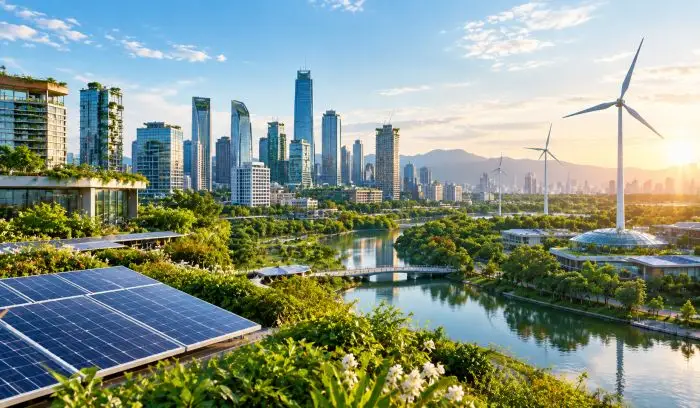
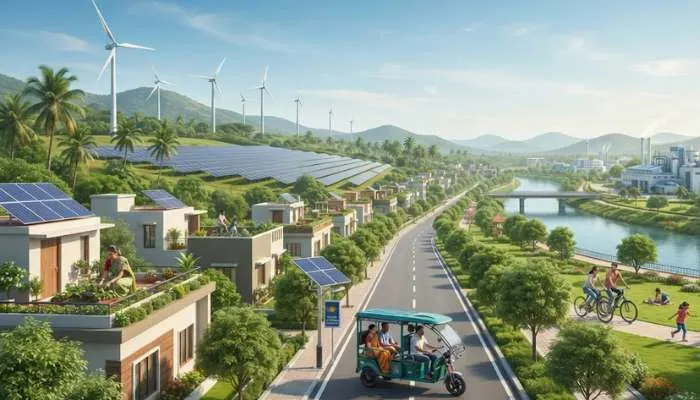
Green technology helps the environment. That is the plain truth. It cuts pollution, It saves power, It makes less trash. Solar panels pull power from the sun no smoke no carbon. Electric cars have no tailpipe the air stays clean. Smart thermostats stop wasting heat. LED bulbs sip electricity.
These things add up. One home then one street, one city. The planet feels it. Less carbon in the sky less poison in the water and less trash in the ground. So how green technology helps the environment is simple use less, waste less, harm less. That is green tech and it works.
How Does Green Technology Help the Environment?
Green technology helps in four main ways. Each one matters.
- It cuts pollution. Old power plants burn coal and gas. They release smoke and chemicals. Green tech uses the sun and wind. No smoke. No chemicals. Electric cars have no tailpipe. They do not add to city smog. This means cleaner air for everyone.
- It saves resources. We use too much water. We cut too many trees. We dig up too much metal. Green tech uses less. It recycles more. It makes things last longer. This keeps resources in the ground.
- It fights climate change. Burning fossil fuels releases carbon dioxide. That gas traps heat. The planet warms. Green tech does not release carbon. Solar panels make power with zero emissions. Wind turbines do the same. This slows the warming.
- It protects habitats. Mining and drilling destroy land. Forests get cut down. Rivers get polluted. Green tech needs less mining. It needs less drilling. It leaves nature alone. Animals keep their homes.
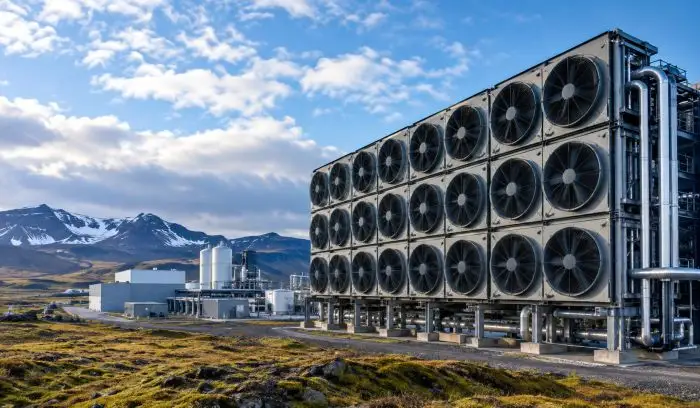
Read More: Carbon Removal Technology Innovations: New Ways to Remove CO2
Explain How Green Technology Helps the Environment
Let me break it down step by step.
Step 1: Clean Energy
Most electricity comes from burning stuff. Coal. Gas. Oil. This releases carbon. Green tech changes that. Solar panels turn sunlight into power. Wind turbines turn breeze into power. Hydro dams turn water into power. These sources never run out. They do not pollute. This is the biggest win.
Step 2: Less Waste
Green tech designs products to last. It designs them to be fixed. It designs them to be recycled. Old phones get taken apart. The metals get reused. Old bottles become new bottles. This keeps trash out of landfills. Landfills release methane. Methane is a strong greenhouse gas. Less trash means less methane.
Step 3: Smarter Buildings
Buildings use a lot of energy. Heating. Cooling. Lighting. Green tech fixes this. Better insulation keeps heat in. Smart thermostats learn your schedule. LED lights use a fraction of the power. Solar panels on the roof make clean power. This cuts the building's carbon footprint.
Step 4: Cleaner Transport
Cars and trucks burn gas. That creates pollution. Electric cars run on batteries. They have no exhaust. Buses are going electric. Trains are going electric. Even planes are testing new fuels. This cleans up the air in our cities.
Step 5: Better Farming
Farming uses a lot of water. It uses a lot of chemicals. Green tech helps here too. Drip irrigation puts water right at the roots. That saves water. Drones spot sick plants early. That cuts pesticide use. Indoor farms grow food with less land. This takes pressure off forests.
Green Technology Examples
Here are real examples you can see today.
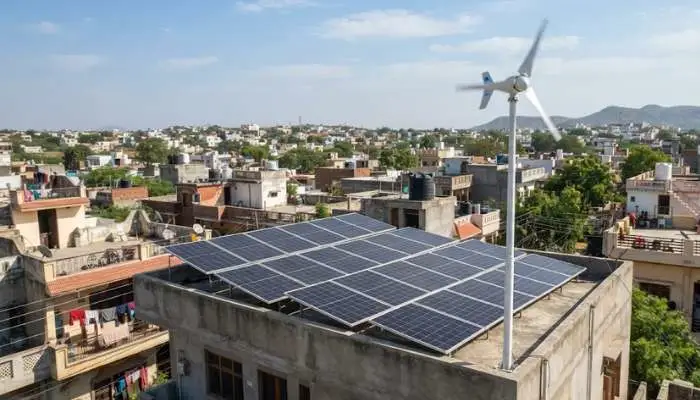
- Solar panels turn sunlight into electricity. They sit on roofs and in big farms. They make clean power for homes and businesses.
- Wind turbines turn breeze into electricity. They stand in fields and offshore. They power thousands of homes.
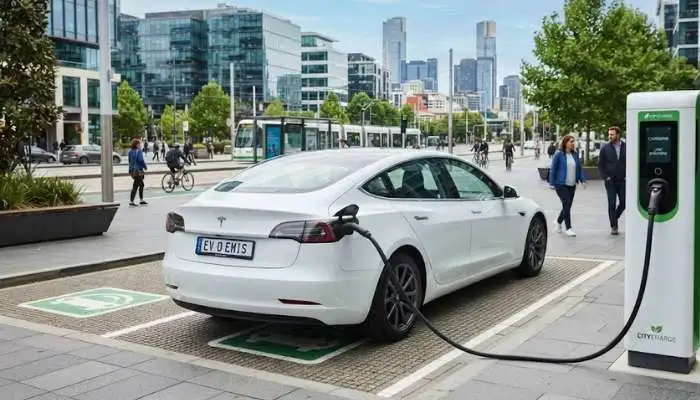
- Electric cars run on batteries. No gas. No tailpipe. They are quiet and clean.
- LED bulbs use 75% less energy than old bulbs. They last for years. They cut your power bill.
- Smart thermostats learn when you are home. They heat and cool only when needed. This saves energy.
- Recycling systems turn old stuff into new stuff. Paper. Plastic. Glass. Metal. All get a second life.
- Rain barrels catch water from roofs. That water goes to gardens. It saves city water.
- Compost bins turn food scraps into soil. That keeps waste out of landfills.
- Green roofs cover buildings with plants. They keep buildings cool. They clean the air. They give birds a home.
- Bamboo products grow fast. They need little water. They make good flooring and furniture.
The Ripple Effect
One green choice leads to another. You buy an LED bulb. You save on power. You buy a smart thermostat. You save more. You put solar on your roof. You make your own power. You buy an electric car. You stop buying gas. Each step builds on the last.
Now think bigger. A whole city goes green. The air gets cleaner. People get healthier. Hospital visits drop. The city saves money. That money goes to schools and parks. The whole place gets better.
Now think global. Countries go green. Carbon emissions drop. The planet cools. Weather gets less wild. Farms get more reliable. Food gets cheaper. Everyone wins.
You May Also Read: How Green Hydrogen Is Produced From Water | Complete Guide
What You Can Do?
You do not need to be rich. You do not need to be an expert. Start small.
- Change your bulbs. Unplug your devices. Recycle your trash. Buy used items. Walk more. Bike more. Use a reusable bottle. These steps are free or cheap. They add up.
- Then go bigger. Buy a smart thermostat. Get an electric bike. Install solar if you can. Support green companies. Vote for green policies. Talk to your friends. Share what you learn.
- Every action counts. Every person counts. The planet does not need a few perfect people. It needs millions of people doing small things. That is how change happens.
Final Thoughts
Green technology helps the environment in many ways. It cuts pollution. It saves resources. It fights climate change. It protects habitats. It gives us clean energy. It gives us cleaner air. It gives us healthier lives.
The technology is here. The products are here. The examples are all around us. We just need to use them. We need to use them faster. The planet is waiting. The time is now.
FAQs
1. How does green tech help the environment?
It cuts pollution. Saves power. Makes less trash. Solar makes clean power. EVs have no tailpipe. LED bulbs sip electricity. Less carbon. Less poison. Less waste. That is it.
2. What is green tech?
Any tech that does less harm. Solar. Wind. EVs. LED bulbs. Smart thermostats. Rain barrels. Compost bins. Even a reusable bottle. Goal is simple. Use less. Waste less. Harm less.
3. Give me examples.
Solar panels on roofs. Wind turbines in fields. EVs on roads. LED bulbs in lamps. Smart thermostats on walls. Recycling bins. Rain barrels. Compost bins. Bamboo floors. Reusable bags. All around you.
4. What products can I buy?
LED bulbs. Smart thermostats. Solar chargers. Energy-star fridges. Low-flow showerheads. Rain barrels. Compost bins. Electric bikes. Reusable bottles. Cloth bags. Bamboo toothbrushes. Solar panels. Green insulation.
5. Does it actually work?
Yes. Solar works in clouds. Wind works in mild breeze. Heat pumps work in cold. EVs drive far. LEDs last years. Smart thermostats save real money. Proven. Millions use it daily. It works.
6. Is it expensive?
Some is. Solar costs thousands. EVs cost more. But prices fall fast. Tax credits help. Rebates help. You save monthly. Lower power bills. Lower gas bills. It pays for itself.
7. How do I start?
Small. Swap a bulb. Unplug your TV at night. Recycle cans. Buy used. Walk more. Reusable bottle. Free or cheap. Then go bigger. Smart thermostat. Electric bike. Solar. One step at a time.
8. Why does it matter?
Planet is heating up. Air is dirty. Resources running out. Green tech gives us a way out. Clean energy. Better health. Lower bills. New jobs. We need it. Start today.