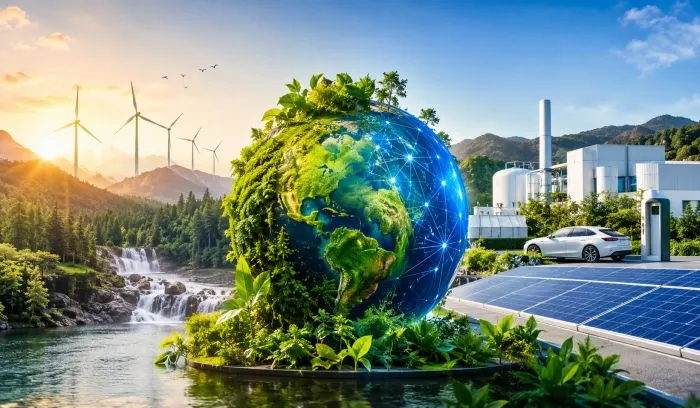
You see these terms everywhere. Climate tech, Green tech. People use them like they mean the same thing. But they do not. Green tech covers anything good for the environment. Recycling. Water treatment. Saving wildlife. Climate tech is more focused. It only deals with cutting emissions and stopping global warming. All climate tech is green tech. But green tech is not always climate tech.
This article explains climate tech vs green tech in plain language. in plain language. We explain the meaning of each term, provide practical examples and demonstrate the impact on investors, companies and anyone concerned about the planet.
What Is Green Tech?
Green tech is the broadest term. It covers any technology that benefits the environment . This includes things like wildlife conservation tools, recycling systems, and water treatment plants .
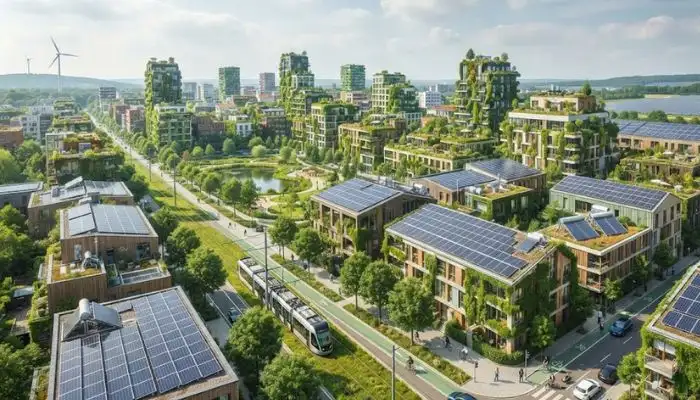
Think of green tech as an umbrella. It covers all technologies that aim to reduce environmental harm, use natural resources better, or link ecology with economic development . It is often used as a public-facing label. Companies use it to show they care about the environment.
The term is broad and not always precise. It can include anything from a product that claims environmental benefit to a proven clean technology .
Examples of green technology:
- Wastewater treatment systems
- Solar panels on rooftops
- LED bulbs that save energy
- Recycling plants
- Water-saving taps
Read More: Importance of Green Technology in Modern Society Today
What Is Climate Tech?
Climate tech is more specific. It focuses directly on climate change . The primary goal is to reduce greenhouse gas emissions or help society adapt to climate risks .
If green tech is the whole garden, climate tech is the section designed specifically to cool the planet . A simple test to identify climate tech is intent. If the climate benefit disappeared, would the solution still exist? If the answer is no, it is probably climate tech .
Climate tech spans energy systems, manufacturing, transport, agriculture, and even software .
Examples of climate tech:
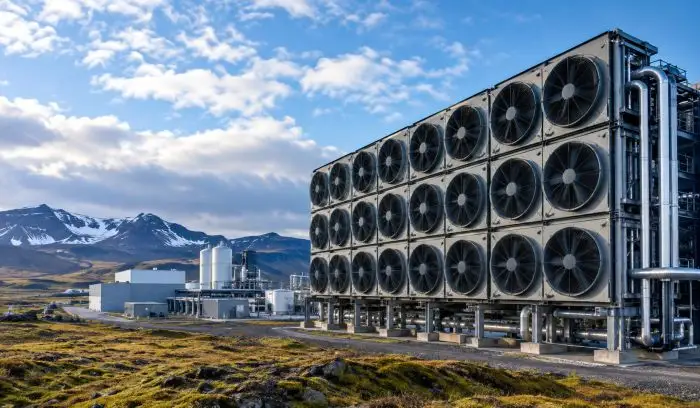
- Direct Air Capture machines that filter CO from the air
- Electric vehicles that cut emissions from transport
- Green hydrogen made from renewable energy
- Carbon accounting software that measures emissions
- Battery storage that makes renewable energy reliable
What Is Clean Tech?
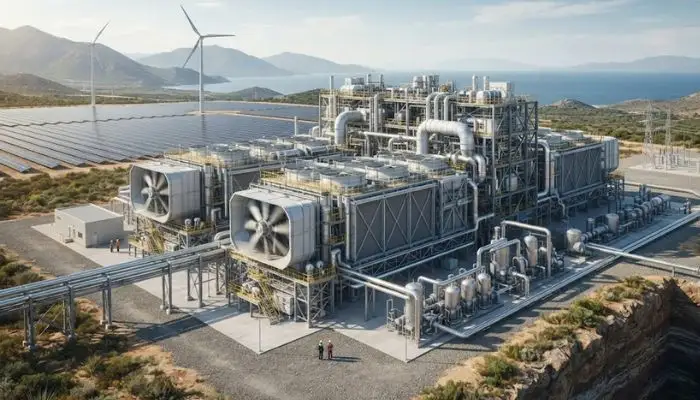
Clean tech focuses on reducing environmental harm overall, not just emissions . It includes pollution reduction, waste management, and resource efficiency .
Clean tech is often used for renewable energy, electric vehicles, and water treatment technologies . It is broader than climate tech but narrower than green tech.
Examples of clean tech:
- Renewable energy systems
- Water treatment technologies
- Electric vehicles
- Efficient industrial processes
The Simple Comparison
| Feature | Green Tech | Climate Tech |
|---|---|---|
| Scope | Broadest, covers all environmental benefits | Narrower, focuses on climate change specifically |
| Primary goal | Reduce environmental harm overall | Cut emissions or adapt to climate risks |
| What it tells you | Sustainability intent | Clear climate intent |
| What it does not guarantee | Evidence or technical rigour | Scalable or affordable impact |
How They Overlap?
These terms are not mutually exclusive. Many technologies fit into more than one category. A solar panel is green tech (it is environmentally friendly), climate tech (it reduces emissions), and clean tech (it is clean energy).
The overlap is normal and often desirable . Whenever you see climate tech or clean tech, you will also find green tech. They are different perspectives on the same transformation .
Benefits of Green Technology
Green technology offers many benefits :
- Environmental benefits: Reduces pollution, cuts waste, and uses natural resources better. It helps protect ecosystems and biodiversity.
- Economic benefits: Creates jobs in renewable energy and sustainable industries . Lowers operating costs through energy efficiency. Opens up new business opportunities.
- Health benefits: Reduces air and water pollution. This improves public health and reduces healthcare costs.
- Energy security: Reduces dependence on imported fossil fuels . Renewable energy sources are domestic and abundant.
You May Also Read: Greentech Startup Funding 2026: Top Deals and Investment Trends
Benefits of Climate Tech
Climate tech focuses on specific climate benefits :
- Reduces emissions: Cuts greenhouse gases from energy, transport, industry, and agriculture .
- Adaptation: Helps communities cope with extreme weather and climate impacts .
- Economic growth: The International Energy Agency estimates nearly half the emissions cuts needed by 2050 will come from technology still in early stages . This creates investment and innovation opportunities.
Job creation: Creates skilled jobs in manufacturing, installation, and maintenance of climate technologies .
Real-World Examples
Green Tech in Action
In Mossel Bay, South Africa, researchers use algae to treat wastewater naturally. The algae grow, out-compete harmful bacteria, and absorb nutrients from sewage. The system reduced E. coli by a factor of 10,000 and cut nitrates and phosphates by 90% . This is green technology using nature to heal itself.
Climate Tech in Action
India's Chakr Innovation develops emission control devices for diesel generators. The company has installed over 5,000 devices and serves more than 2,000 customers. It recently raised $23 million to expand globally . This is climate tech because it directly reduces emissions.
In Nepal, a steel factory installed solar and battery storage. It now has stable power, cuts 2,800 tonnes of emissions, and saves over $1.3 million in energy costs . This is climate tech reducing emissions whilesaving money.
The Bottom Line
Green tech is the broad umbrella. It covers any technology with environmental benefits. Climate tech is a subset focused specifically on reducing emissions and addressing climate change. Clean tech is another subset focused on reducing overall environmental harm.
Many technologies fit into more than one category. But the intent matters. If the primary goal is climate action, it is climate tech. If the goal is broader environmental benefit, it is green tech .
FAQs
1. What is the difference between climate tech and green tech?
Green tech is the big one. It covers anything good for the planet. Recycling. Water treatment. Saving animals. Climate tech is smaller. It only deals with cutting emissions and stopping global warming. Every climate tech is green tech. But green tech is not always climate tech.
2. Is solar power both?
Yes. Solar helps the planet. That is green tech. Solar cuts down on coal and gas. That is climate tech. Many things fall into both groups.
3. What counts as green technology?
Wastewater plants. Recycling. LED lights. Taps that save water. Tools that protect wildlife. These help nature but do not always fight climate change.
4. What counts as climate technology?
Machines that pull CO2 from the air. Electric cars. Hydrogen from clean energy. Software that tracks pollution. Big batteries for storage. These all target emissions or climate risks.
5. Why does this matter?
It shows what a company really does. Green tech means they care about nature. Climate tech means climate action is their main goal. That matters if you are investing or choosing who to support.