The Tech Brunch The Tech Brunch

The Tech Brunch

The Tech Brunch

  • Home
  • Startups
  • Social
  • Enterprise
  • Gadgets
  • Greentech
  • Mobile
  • Fundings and exits
The Tech BrunchThe Tech Brunch
  • Startups
  • Social
  • Enterprise
  • Gadgets
  • Greentech
  • Mobile
  • Fundings and exits
Home > Social > Facebook pulls ‘pseudoscience’ from its list of targeted ad categories
Social

Facebook pulls ‘pseudoscience’ from its list of targeted ad categories

Published: Apr 08, 2022

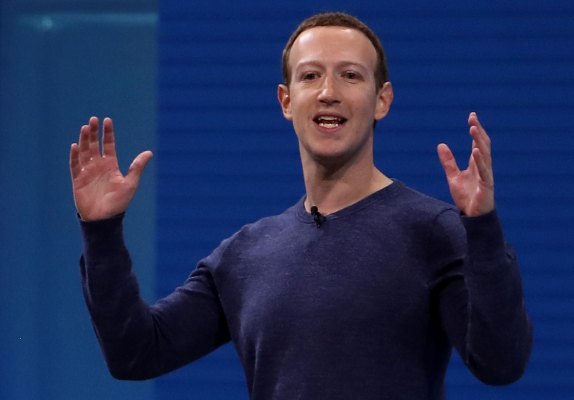
Even as Mark Zuckerberg touted the “hundreds of thousands of pieces of misinformation related to COVID-19” that the site had pulled in recent months, Facebook continued to offer targeted ads classified as “pseudoscience.” It was an odd choice from a social network so publicly declaring its own campaigns to remove junk science amid a global pandemic.

Using Ad Manager, advertisers were able to serve ads to some 78 million people “who have expressed an interest in pseudoscience.” Following an investigation by The Markup that found the site buying ads to target that category, Facebook says it’s done with the pseudoscience tag.

In a statement to TechCrunch, the company reconfirmed the move. “This interest category of advertising should have been removed in a previous review and we’ve removed it,” Director of Product Management Rob Leathern said. There was never a great time to run junk science ads, of course, but the issue has come to a head in recent weeks and months, as COVID-19 has become a massive hotbed for conspiracy and dangerous cures.

As Zuckerberg noted in his piece last week, popular theories flagged by the company include the notions that “drinking bleach cures the virus or that physical distancing is ineffective at preventing the disease from spreading.” It’s unclear (beyond the obvious answer of ad revenue) why Facebook continued to offer the category until it was essentially called out on the matter.

Other ad networks and social media sites have been taking pains to slow the spread of misinformation. Twitter recently added 5G-related conspiracies to its list of COVID-19 related guidance, while Google just announced that it would be extending its ID verification for its ad systems.


You Might Also Like

How to Disable Startup Programs on Windows and Mac

Best Smart Gadgets for a Safe and Easy Home

How to Use LinkedIn for Professional Networking: Simple Tips for Beginners

Top 7 Best Smartphones Under 30000 with Good Camera and Battery

Previous Article Rallyhood exposed a decade of users’ private data Rallyhood exposed a decade of users’ private data
Next Article Nuvocargo, a trucking managed marketplace, raises $5.3M in seed funding Nuvocargo, a trucking managed marketplace, raises $5.3M in seed funding

Latest News

How to Disable Startup Programs on Windows and Mac
Startups Feb 23, 2026
Best Smart Gadgets for a Safe and Easy Home
Gadgets Feb 04, 2026
How to Use LinkedIn for Professional Networking: Simple Tips for Beginners
Social Feb 04, 2026
Top 7 Best Smartphones Under 30000 with Good Camera and Battery
Mobile Jan 30, 2026
Venture Debt vs Venture Capital: Which Is Better for Startups?
Fundings and exits Jan 30, 2026
Enterprise AI Adoption Trends 2026: How Businesses Are Using AI to Stay Ahead
Enterprise Jan 06, 2026
How to Measure Carbon Footprint with AI Technology
Greentech Jan 06, 2026
Tech Business Startup Ideas That Will Dominate the Next 5 Years
Startups Dec 29, 2025
Top 10 AI Tools Every Social Media Marketer Must Use in 2026
Social Dec 29, 2025
Revolutionize Your Cooking with 3D Printed Kitchen Gadgets
Gadgets Dec 19, 2025
about us

  • Startups
  • Social
  • Enterprise
  • Gadgets
  • Greentech
  • Mobile
  • Fundings and exits
How To Invest In Indian Greentech Companies
Greentech May 06, 2025
Indian Greentech Innovations For Clean Water
Greentech May 06, 2025

© Copyright 2026 thetechbrunch.com All Rights Reserved.

  • About Us
  • Contact Us
  • Privacy Policy
  • Terms And Conditions