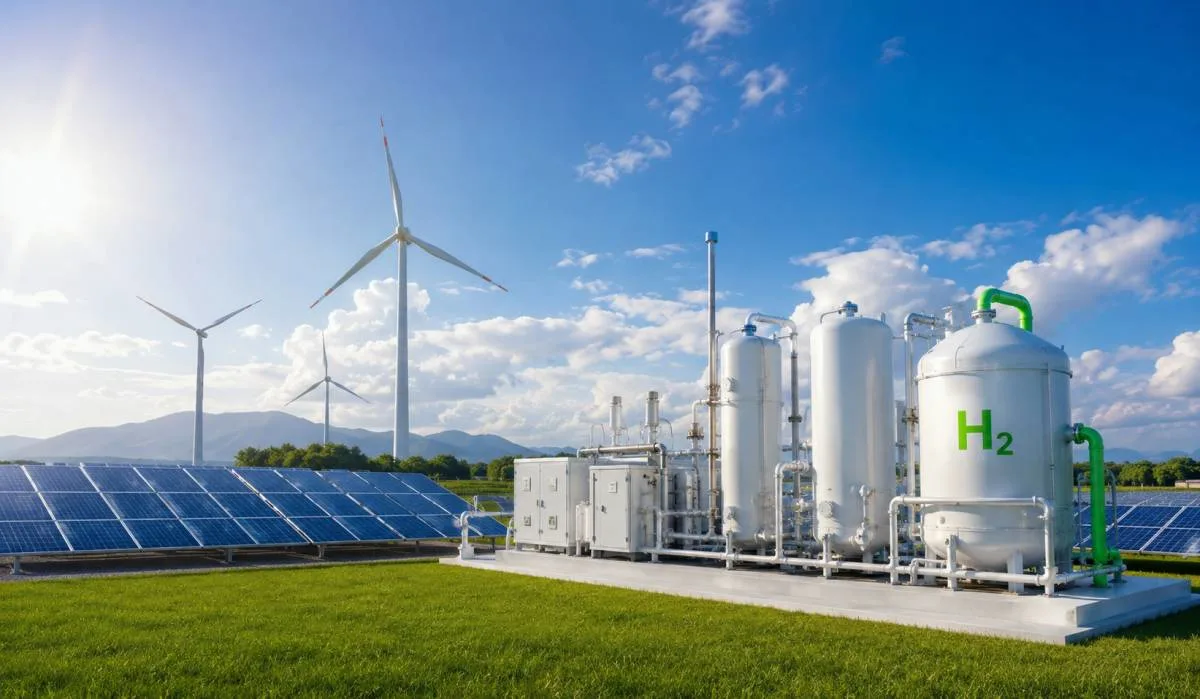
Green technology is transforming India's lifestyle and working methods. These solutions are being integrated into the day-to-day operations of people, whether it's on the rooftop or on the road, with electric buses. However, greentech is important for sustainability for more than just environmental reasons. It is about ensuring India's vitality, about making occupations and creating a future without over-ambitious imports.
It is some 80% of the time giving to each town get to clean control, and each city cleaner discuss. It is approximately ensuring ranchers from rising costs and making a difference little businesses develop. Because, the future is in the hands of the present and Why greentech is important for sustainability is a question that each and every individual Indian has to answer.
What is Green Technology?
Green technology means using methods and materials that are kind to the environment. It covers energy from the sun and wind, waste recycling, pollution control, and eco-friendly farming. The goal is to meet our needs today without taking away from future generations.
For India, green technology is a necessity, not a choice. The country relies heavily on coal and imported oil . This reliance creates three big problems: energy security, affordability, and sustainability. The World Energy Council calls this the "energy trilemma" . Green technology helps solve all three.
Read More: Greentech Investment Trends 2026 – Where to Put Your Money in India

The Five Key Importance of Green Technology
1. Reducing Dependence on Imported Fossil Fuels
India is the third-largest energy consumer in the world . A huge share of this energy comes from imported oil and natural gas. This is a heavy burden on the economy. For example, the fertilizer industry uses natural gas to make urea. Over 80% of this gas is imported, costing around $9 billion per year . This creates a big risk. If global prices rise or supply is disrupted, India's food security is at risk.
Green technology offers a solution. Solar and wind power use India's own resources, not imported fuels. Green ammonia is another example. It can be made using renewable energy and used as a clean fuel or as a fertilizer . By moving to green energy, India can protect itself from global price shocks.
2. Tackling Air Pollution and Climate Change
India's cities suffer from dangerous air pollution. Much of it comes from burning fossil fuels in power plants, factories, and vehicles. Coal accounts for 72% of India's energy production . The energy sector is responsible for 57% of India's total CO2 emissions . This harms public health and worsens climate change.
Green technology cuts pollution at the source. Solar and wind power produce no emissions. Switching to electric vehicles reduces exhaust fumes. Green hydrogen made from agricultural waste is another clean option . Every kilogram of green hydrogen produced removes more than one kilogram of carbon dioxide from the atmosphere .
3. Creating Jobs and Economic Growth
The green economy is a powerful engine for jobs. A study on Odisha found that 28 green value chains could create one million jobs and add 23% to the state's GDP by 2030 . These are not just in solar or wind. They include seaweed farming, e-waste recycling, and green hydrogen production.
India's small and medium enterprises are also adopting green practices. These businesses are using innovation to create eco-friendly products and building their own brands . The government's Production Linked Incentive scheme is also boosting manufacturing. It provides 24,000 crore to build solar panel factories in India . This creates jobs and reduces import dependence.
4. Improving Energy Access and Affordability
Millions of Indians still lack reliable and affordable energy . This is energy poverty. Green technology can help bring power to remote areas. Rooftop solar panels, for example, can give homes and businesses their own power source. The PM Surya Ghar scheme has already received over 58 lakh applications for rooftop solar .
The government is also making green technology cheaper. GST on solar panels and wind turbines has been cut from 12% to 5% . This directly lowers the cost of clean energy projects. Making green technology affordable is key to ensuring everyone can access clean energy.
5. Making Farming and Food Systems Sustainable
India's farming relies heavily on subsidized urea fertilizer. This is costly for the government and causes environmental damage. Green ammonia is a game-changer. It can be used as a fertilizer and produced using renewable energy. This would reduce the need for imported natural gas and cut down on subsidies .
Green technology can also create better food. For example, protein-rich food can be made using green ammonia and corn syrup in a fermentation process . This flour can be added to chapatis. It helps address protein malnutrition without asking people to change their eating habits.
You May Also Read: How to Invest in Greentech Startups in India – Simple Guide for Beginners
How Important is Green Technology to Sustainability?
Green technology is not just important for sustainability; it is the foundation. Sustainability means meeting the needs of the present without harming the future. Green technology makes this possible. It replaces practices that destroy the environment with practices that protect it.
India's approach is not isolated. It is part of a larger push to create an ecosystem for green innovation. This means connecting policy, finance, industry, and research. The aim is to move green solutions from small pilots to large-scale impact .
The government is using many tools to support this. These include Viability Gap Funding for battery storage, the Green Hydrogen Mission, and tax cuts on green products . These steps show that India is serious about making green technology a central part of its future.
Benefits of Green Technology
The benefits of green technology are clear and wide-ranging:
-
For the Economy: It reduces the money spent on importing oil and gas. India saved nearly 4 lakh crore in 2024 by expanding renewable energy .
-
For the Environment: It lowers carbon emissions and cuts air and water pollution.
-
For Society: It creates new jobs and provides clean energy to people who need it most.
-
For Businesses: It opens new markets and helps companies build strong, sustainable brands.
Challenges in the Path Ahead
Green technology is promising, but there are challenges. Some green technologies are still expensive. The cost of electrolyzers for green hydrogen needs to come down . Another challenge is infrastructure. India needs better power grids to handle renewable energy . Storage is also a concern. Reliable battery storage is essential for balancng supply and demand.
Some green projects can also have downsides. Large solar farms can raise land rights issues . Water availability is another concern for certain projects. It is important to develop green technology in a way that is fair and careful.
Conclusion
Green technology is the key to India's sustainable future. It helps secure energy, fight pollution, create jobs, and build a stronger economy. The government's policies, from the Green Hydrogen Mission to the PLI scheme for solar cells, show a clear commitment. The benefits are already being seen in the form of lower costs, new jobs, and cleaner energy.
India is shifting from simply using green technology to building a whole green innovation ecosystem . This is a major change. It moves the country from being a follower to a leader. For India to meet its development goals and protect its people and environment, green technology is not an option. It is the only way forward.