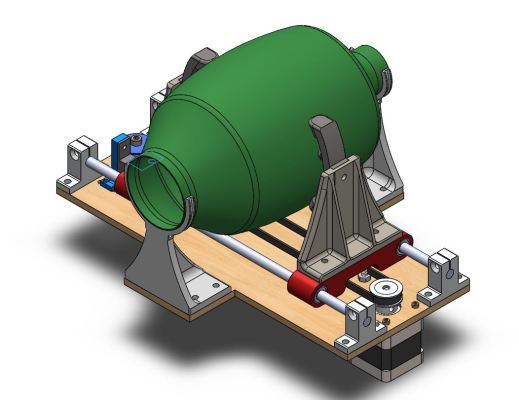
In a great example of what can happen when smart, technically-oriented people come together in a time of need, an open-source hardware project started by a group including Irish entrepreneur Colin Keogh and Breeze Automation CEO and co-founder Gui Calavanti has produced a prototype ventilator using 3D-printed parts and readily available, inexpensive material. The ventilator prototype was designed and produced in just seven days, after the project spun up on Facebook and attracted participation from over 300 engineers, medical professionals and researchers.
The prototype will now enter into a validation process by the Irish Health Services Executive (HSE), the country’s health regulatory body. This will technically only validate it for use in Ireland, which ironically looks relatively well-stocked for ventilator hardware, but it will be a key stamp of approval that could pave the way for its deployment across countries where there are shortages, including low-income nations.
Ventilator hardware in the U.S. is also likely to encounter shortages, depending on the progress of coronavirus spread in the country. On Wednesday, the White House enacted the Defense Production Act, which provides broad powers to the President for redirecting materials and private company production capacity to building much-needed supplies and equipment in a time of crisis.
During Wednesday’s White House briefing on the current COVID-19 situation, U.S. VP Mike Pence said that there are only 10,000 ventilators in the country’s strategic reserve, which, while it doesn’t take into account the stock of equipment in hospitals or healthcare facilities around the country, likely won’t address the overall needs of medical professionals in case some of the more serious projections about the infection come true.
The project could be one way to help address the shortfall, along with commitments by automakers including GM, Ford and Tesla to produce ventilator equipment should the need arise.
The group behind the ventilator also recently changed the focus of their Facebook community, renaming the group from the Open Source Ventilator Project to the Open Source COVID19 Medical Supplies community. They’re looking at expanding their focus to finding ways to cheaply and effectively build and validate other needed equipment, including protective gear like masks, sanitizer and protective face guards for front-line healthcare workers.